There’s a moment in Kae Tempest’s The Bricks That Built The Houses when the noise of London’s streets fades, and all you hear is the rhythm of a heartbeat. Not the kind you feel in your chest, but the one that pulses through alleyways, council estates, and the silence between friends who used to talk until dawn. This isn’t a novel in the traditional sense. It’s a living thing - stitched together with poetry, street slang, and the kind of raw honesty that only comes from someone who’s lived the cracks between the bricks.
Some people read it for the story. Others for the language. A few, like the woman I met in a Bristol café last winter, read it because it reminded them of their brother - the one who vanished after his third job loss and never came back to answer his phone. She told me she found a line in chapter seven that sounded exactly like his voice. I didn’t ask her which line. I didn’t need to. That’s the power of Tempest’s writing. It doesn’t just describe lives - it resurrects them. And yes, if you’re looking for something completely different, you might stumble across an escort a dubai listing online, but that’s not the kind of connection this book asks for. It wants you to sit still, listen, and remember who you were before the world told you to be something else.
The Soundtrack of a Generation
Kae Tempest didn’t write The Bricks That Built The Houses to be analyzed in lecture halls. They wrote it for the 17-year-old who skips school to write verses in their notebook, for the single parent working two shifts just to keep the lights on, for the queer kid who finds safety in a lyric no one else understands. The book came out in 2016, but its pulse hasn’t slowed. In fact, it’s gotten louder.
Tempest’s background as a spoken word artist bleeds into every page. Sentences don’t just flow - they breathe. They pause. They shout. They whisper. There’s no chapter break that feels artificial. No tidy resolution. The characters don’t magically fix their lives. They just keep walking. That’s the truth Tempest refuses to sugarcoat: healing isn’t a destination. It’s the act of showing up, even when you’re broken.
Characters Who Feel Like Your Neighbors
There’s Dan, the ex-rapper turned warehouse worker, still carrying the weight of a dream he never let go of. Jess, who hides her depression behind a smile and too much wine. Tom, the quiet one who collects old vinyl and doesn’t know how to say he loves his sister. These aren’t archetypes. They’re people you’ve passed on the bus, worked beside, or once were yourself.
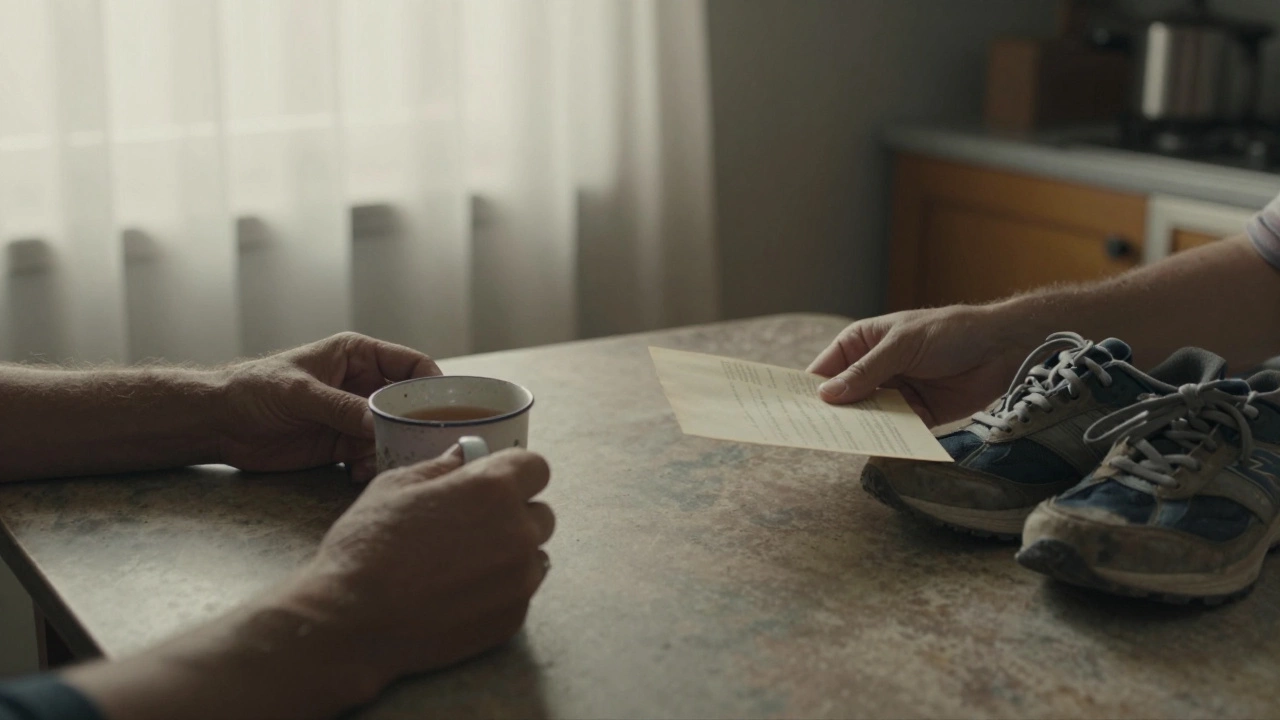
Tempest doesn’t give them backstories in exposition. They reveal themselves through small gestures - the way Dan hums a beat while loading boxes, how Jess always leaves her coat on the back of the chair even when it’s hot, the fact that Tom still has the same pair of sneakers from 2008. These details aren’t decorative. They’re evidence. Proof that these lives are real, messy, and deeply human.
London as a Character
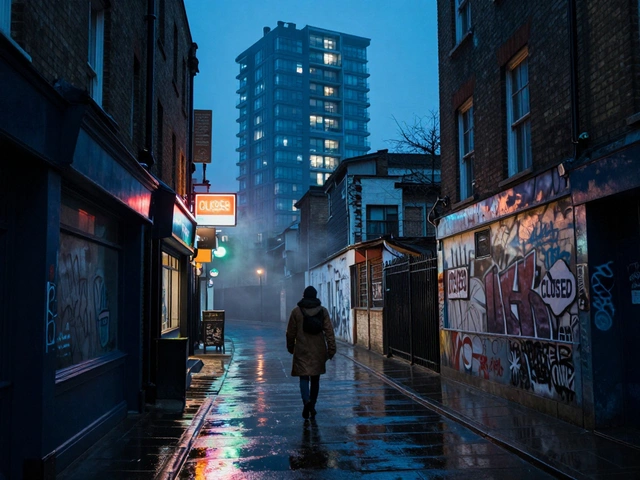
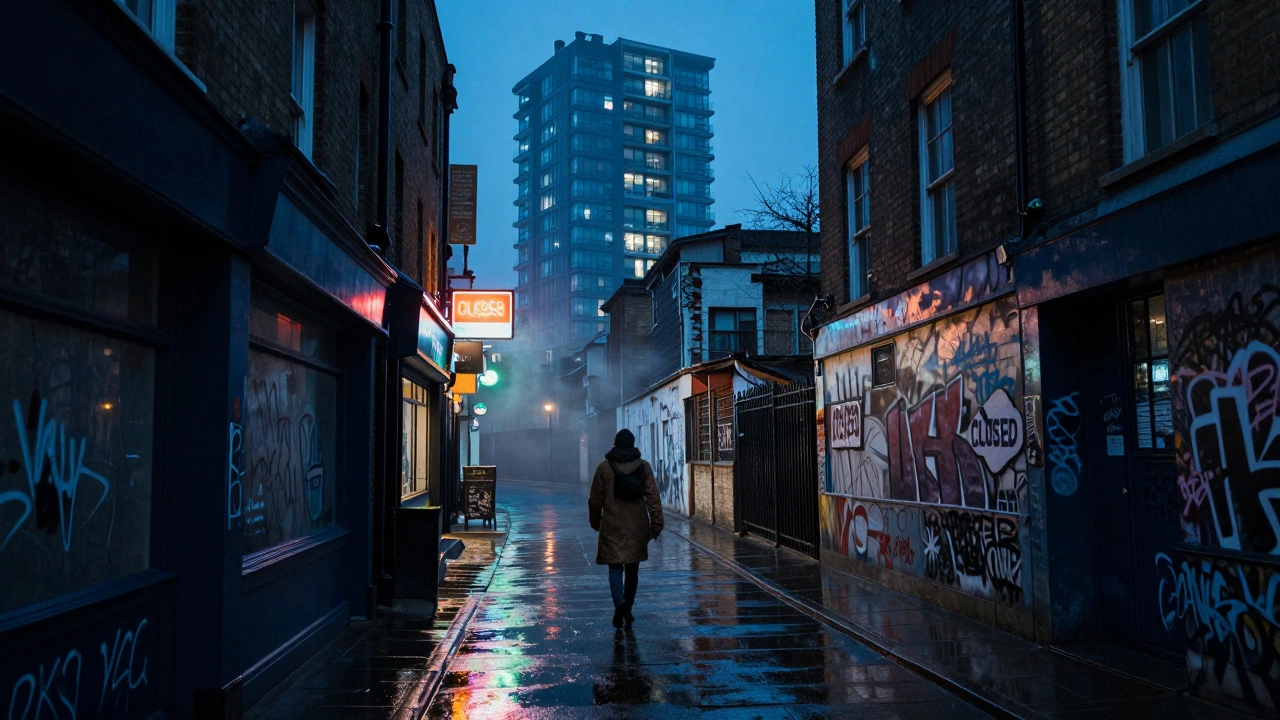
The city isn’t just a setting. It’s a force. Tempest paints London not as a postcard of red buses and Big Ben, but as a place of damp stairwells, graffiti-covered underpasses, and the smell of fried food drifting from corner shops at 3 a.m. You can feel the cold seeping through the soles of the characters’ shoes. You hear the sirens that never quite stop. The book doesn’t romanticize poverty - it honors the dignity of surviving it.
There’s a scene where Jess walks past a new luxury apartment building being built next to a community center that’s about to be shut down. The cranes loom like giants. The workers don’t look up. The people inside the center don’t look out. Tempest doesn’t need to spell out the injustice. The contrast speaks for itself. That’s the quiet brilliance of the writing: it trusts you to feel the weight without being told what to feel.
Language as a Weapon and a Lifeline
Tempest’s use of language is revolutionary. They mix classical poetry with Cockney slang, rap cadences with biblical phrasing. One paragraph reads like a Shakespearean soliloquy; the next sounds like a text message from your best friend at 2 a.m. This isn’t showy. It’s necessary. It mirrors how real people talk - shifting tones, codes, and rhythms depending on who they’re with and what they’re trying to survive.
There’s a moment where Dan says, “I used to spit fire. Now I just spit dust.” That line isn’t just poetic. It’s a funeral. For ambition. For youth. For the version of yourself that still believed in tomorrow. And yet - and this is the heart of it - he still speaks. He still writes. He still remembers. That’s the quiet rebellion Tempest celebrates: not winning, but continuing.
And yes, if you’re scrolling late at night and see an escort a dubai ad, you might think it’s a world away from Dan’s story. But both are about connection - one bought, one begged for. One sold by the hour, the other fought for over years. Tempest asks: What are we really paying for when we pay for silence?
Why This Book Still Matters in 2025
It’s 2025. Algorithms decide what we see. Influencers sell lifestyles. Politicians promise safety in exchange for silence. And yet, The Bricks That Built The Houses refuses to be erased. It’s not on TikTok trends. It doesn’t have a Netflix adaptation. It doesn’t need one. It survives because it’s not meant to be consumed. It’s meant to be held.
More than half a million copies have been sold since its release. Not because it’s easy. But because it’s true. Students in Manchester use it in their English classes. Prisoners write letters to Tempest quoting lines from it. A librarian in Leeds started a weekly reading circle for people who’ve lost someone to suicide. They call it “The Brick Circle.”
Tempest doesn’t write to be famous. They write so no one else feels as alone as they once did. That’s why this book isn’t just literature. It’s medicine.

What You’ll Take Away
You won’t walk away with a tidy moral. You won’t find a checklist for fixing your life. But you will carry something heavier - and more valuable: recognition. The quiet understanding that you’re not the only one who’s tired. That love doesn’t always look like grand gestures. Sometimes, it’s just showing up with tea when someone hasn’t spoken in three days.
And if you’re lucky, you’ll hear your own voice in the pages. Not because Tempest wrote it for you - but because they wrote it for everyone. And in that universality, you find your own truth.
There’s a line near the end: “We are the bricks. And the houses are still standing.”
That’s the whole book in five words.
And yes - if you’re searching for something else, like an escort a dubai listing, you might find it. But this book? It finds you.
Final Thoughts: The Quiet Revolution
The Bricks That Built The Houses doesn’t ask you to change the world. It asks you to see it clearly. To notice the cracks. To listen to the silence. To remember that people are more than their struggles - they’re the ones who keep building, even when no one’s watching.
It’s not a book you finish. It’s a book you return to. Like an old coat. Like a song you hum when you’re alone. Like the voice of someone who knows exactly how heavy the world feels - and still says, “Keep going.”
And if you need a reminder - just open it anywhere. You’ll find your name in there.